
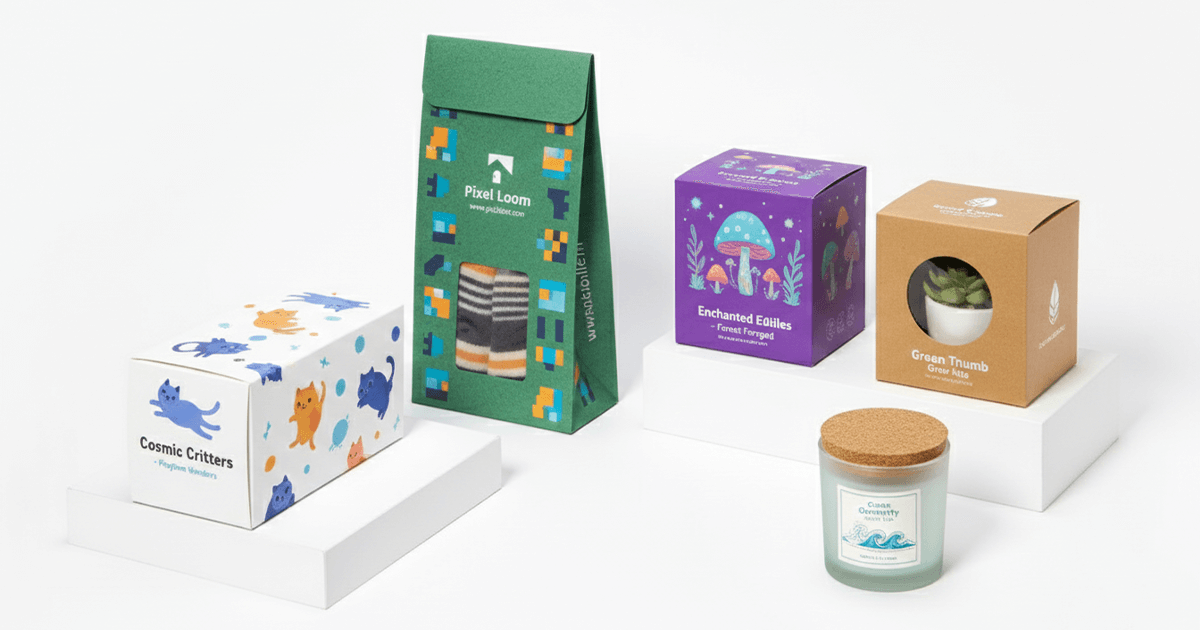
Manufacturers must pay attention to customer expectations. Outfits, electronics, cell phones, prescription medications, and toys all must have packaging that reflects current expectations. A professional ‘unboxing’ experience has become a customer expectation. Unconventional, innovative packaging that shapes a memorable product experience will be the key to competitive advantage, as packaging moves into a pivotal role in product marketing.
Packaging also needs to be functional (package efficiency, shipping, and warehousing considerations). Sustainability and reducing packaging waste will be more important. Packaging that reflects the product and the brand's personality and values also reflects the current customer expectations.
A trend in 2026 will be boxes that have shapes that veer away from the plain rectangular. 2026 will be the year when innovative shapes will be the optimum creative packaging materials for efficiency, marketing, and differentiation. 2026 will see a greater focus on utilizing eye-appealing packaging to attract customers to both new and existing brands. Notably, Beauty, food, and lifestyle brands will be the most innovative and creative in their packaging and marketing.
Box packaging designs for 2026 will focus on creative efficiency and marketing to attract specific customer demographics. Implement these design ideas, complementing technical efficiency to focus on customer engagement and box packaging designs.
Custom-Fitted Inserts Are Enhancing Safety and Presentation
Custom-fitted inserts are popular in the packaging industry. They keep your products safe and secure while shipping, which is essential for every online order. Inserts are also aesthetic and organized.
More brands have started using recyclable or biodegradable inserts to be eco-friendly. In 2026, it is also predicted that reusable inserts will continue to rise. These alternatives add value and lessen waste. For electronics, cosmetics, and luxury goods, custom-tailored inserts make the products feel premium and the unboxing experience more satisfying.
Smart Packaging Technology Is Becoming Standard
Smart packaging technology is predicted to be more prevalent in 2026. QR codes and NFC chips are inexpensive, and brands can incorporate digital features into every box. Customers will be able to scan the packaging to verify authenticity, track orders, access guides, find discounts, and join loyalty programs.
This trend is especially important for high-value products such as electronics, luxury fashion, and collectibles. Smart packaging helps prevent counterfeiting and strengthens customer trust. As online shopping increases, demand for smart packaging also grows to offer transparency and peace of mind to shoppers.
Minimalist Packaging is a Growing Trend for 2026
There is growing popularity for minimalistic packaging due to its sleek aesthetic and eco-conscious appeal. Soft color palettes, a crisp layout, and simple, modern typographic choices create a sense of premium, polished, and sophisticated branding. It is no wonder that so many top-tier brands opt for minimalist packaging to convey their brand messages about quality, unapologetic simplicity, and sustainable practices.
Given that minimalist packaging is, by nature, less wasteful and is intended to be designed with a lower environmental impact in mind, consumers are more likely to engage with minimalist brand messaging. This is also a growing consumer preference, as minimalist branding and sustainable practices are top of mind and in higher demand than ever.
Increasing Consumer Confidence Through Transparent Packaging
Beauty, food, and lifestyle brands have been taking advantage of transparent packaging to sell their products. This allows customers to see what they are buying before and during purchase, building trust and reducing the likelihood of returns. Because of the unadulterated visibility they have into a product, customers are also more likely to make a purchase and potentially a more impulsive purchase. Transparent packaging has been a great way to promote sustainable packaging, as it has been implemented across their products. Packaging with transparent materials will help brands stand out in this ever-evolving, competitive market. It allows brands to showcase products, be honest with their customers, build trust with their consumers, and promote packaging we consider environmentally sustainable.
As the cost of conventional packaging rises, the future belongs to boxes that do more with less. Imagine a design that leaves space for possibility—75 percent complete, yet open to interpretation. Minimal materials become a statement of intent, turning displays into quiet invitations rather than cluttered noise. Smart packaging transforms the ordinary into the intelligent, while social media becomes a stage where design is not just seen, but felt. The new language of packaging is transparency, precision, and restraint.
Social media packaging is not just a trend; it is the lens through which purchase decisions are refracted and shaped. In a landscape where attention is currency, the way a product is presented online becomes the silent strategist, guiding choices before a word is spoken. Those who master this art will not simply keep pace—they will set the rhythm for 2026, turning visibility into influence and influence into action.
